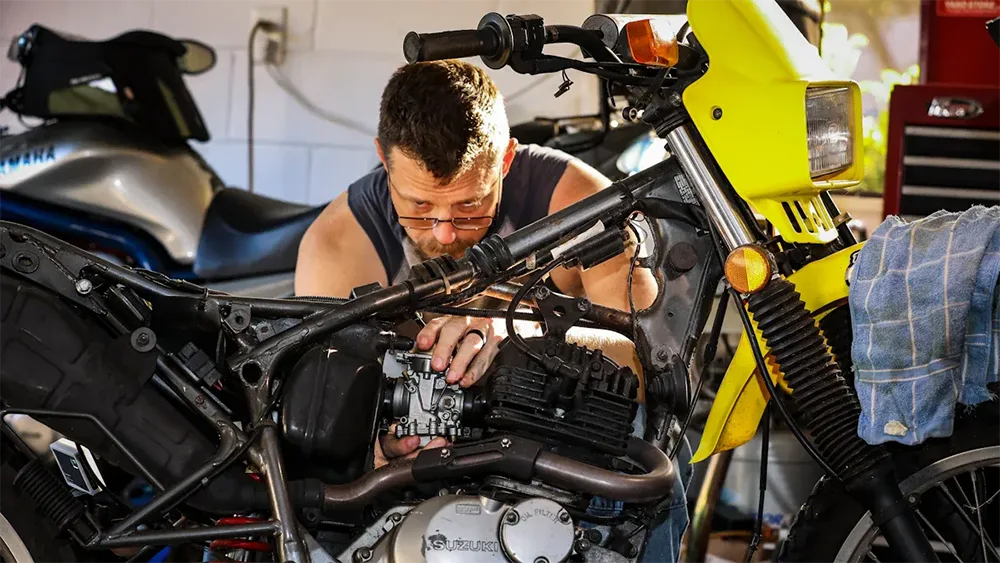
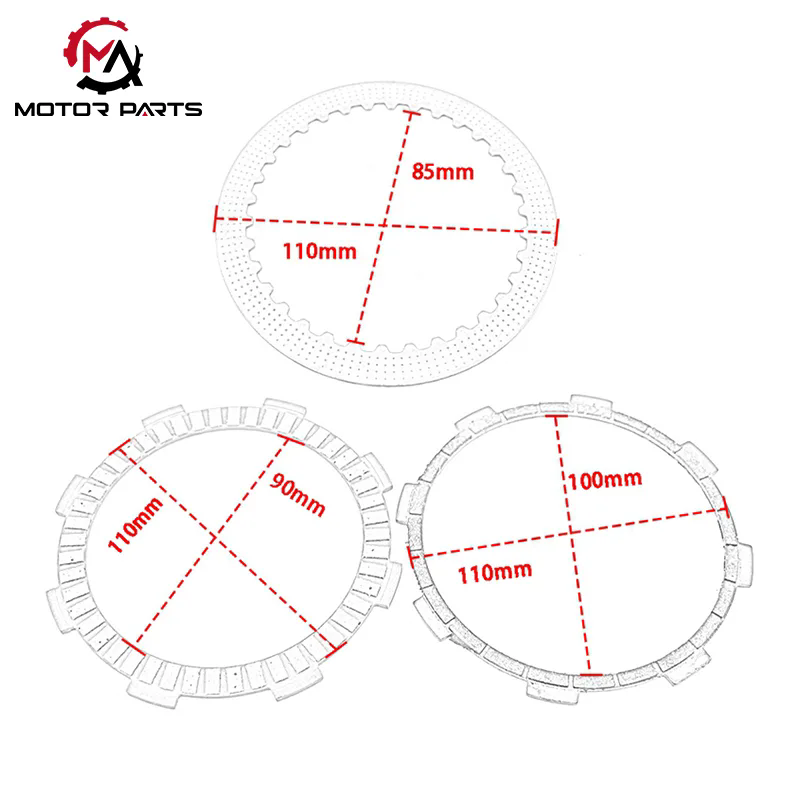
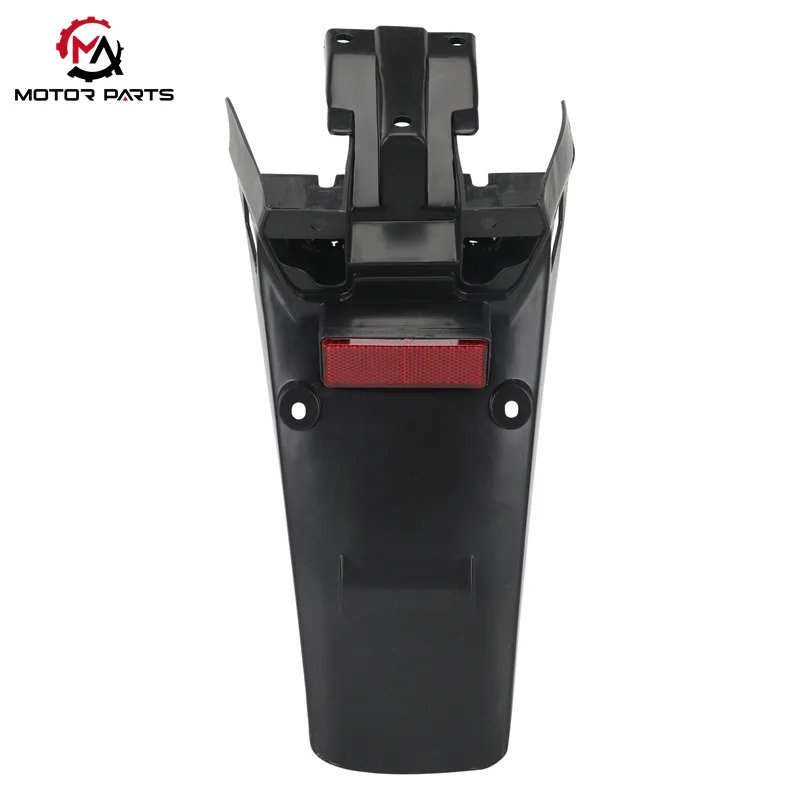
Motorcycle steering components are another branch of Max Trading's production line. As the "safety hub" of motorcycles, their performance defects were once a common problem in the industry - about 18% of traffic accidents each year are directly attributed to steering failures, and 35% of users report insensitive steering.
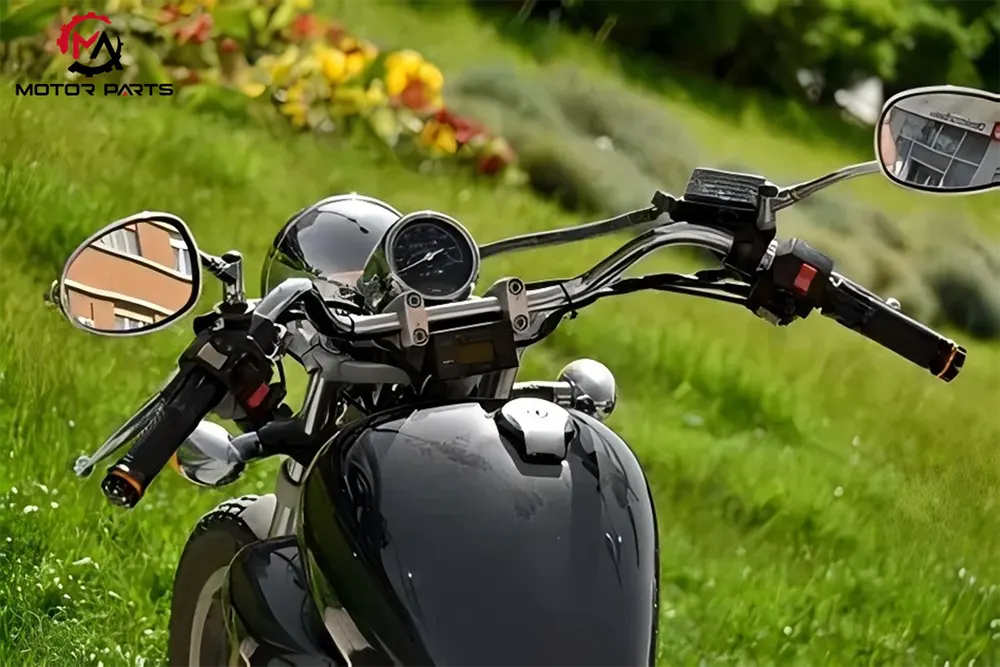
With more than ten years of technological accumulation, Max trading has targeted breakthroughs in three core bottlenecks. Firstly, precise parameter control: strictly controlling the forward tilt angle within the golden range of 65 ° -75 °, dynamically matching the towing distance and steering ratio with the vehicle's purpose, avoiding the risk of high-speed "drifting" and solving the problem of low-speed steering difficulty, with a steering response time of ≤ 0.3s. Secondly, material technology innovation: Max trading has taken the lead in using silicon nitride ceramic rolling elements and high-strength aluminum alloy, reducing the 5-year wear rate of bearings from the industry average of 45% to below 8%; Finally, the entire process is controllable: through intelligent production lines, 36 parameters of each component can be fully traced, resulting in a product yield rate of 99.2% and a defect rate controlled below 0.12%.
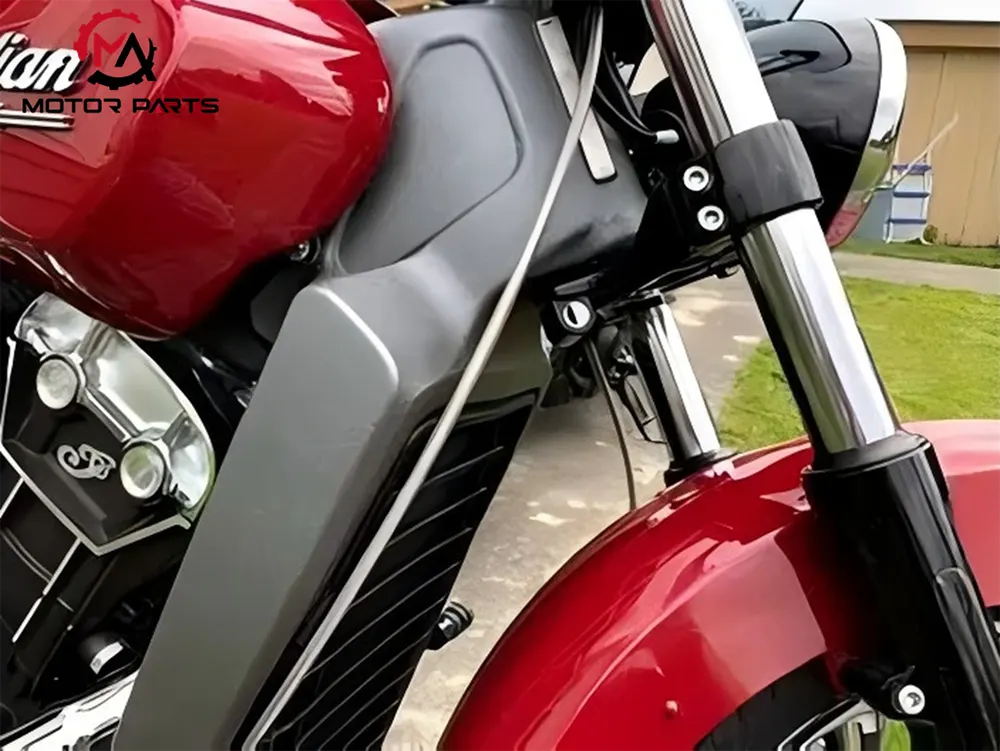
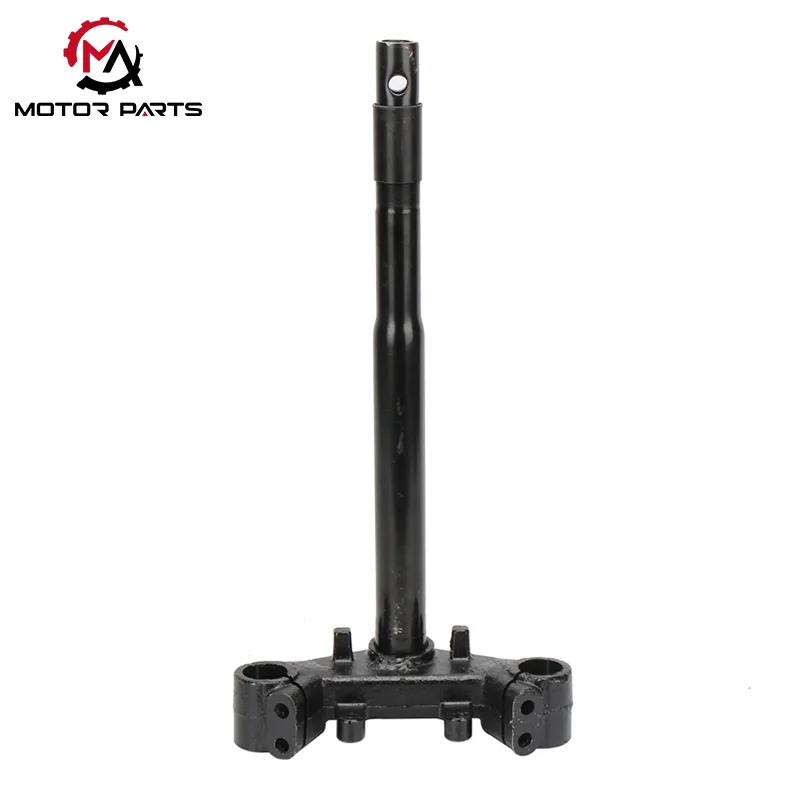
The steering column (also known as the front fork riser or steering shaft) is a key component that connects the frame and the front fork. It runs through the front riser of the frame and has dual functions of "structural support" and "power transmission". It is the foundation for ensuring steering accuracy and driving stability.
Motorcycle steering column: the "load-bearing and transmission core" of the steering system
Function 1: Carrying the weight of the front half and maintaining the driving posture
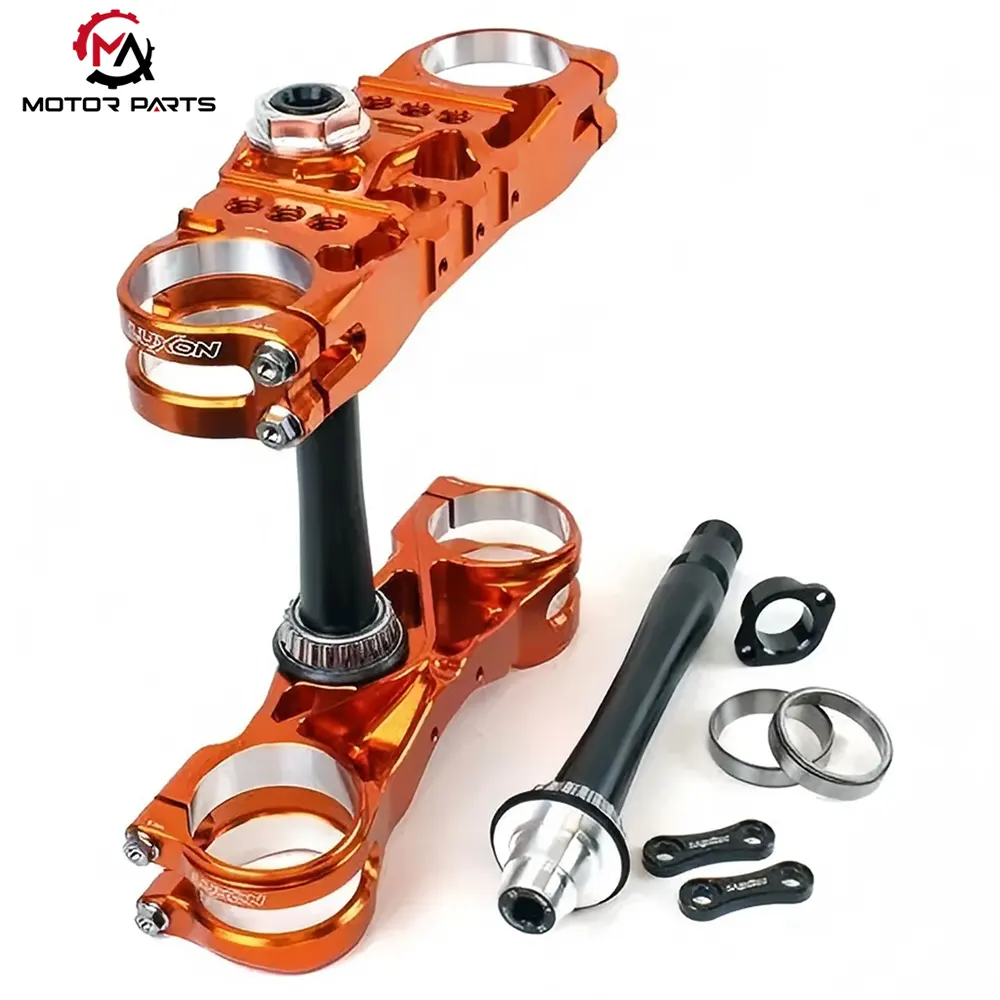
The upper end of the steering column is connected to the front vertical pipe of the frame through a bearing, and the lower end is fixed to the Samsung (lower connecting plate) under the front fork, directly carrying the front wheels, front fork, brake system, and part of the vehicle weight (accounting for 30% -40% of the total vehicle weight). When driving on bumpy roads (such as unpaved roads and speed bumps), the steering column needs to buffer the longitudinal impact force through bearings to avoid direct deformation of the frame and ensure stable vehicle posture.
Function 2: Transmit steering prescribe to implement nifty control
When the rider turns the handlebar, the motorcycle steering column is connected to the upper board through the upper spline, transmitting the rotational torque to the front fork and driving the front wheels to turn synchronously. The transmission efficiency directly affects the steering sensitivity. The spline fit clearance of high-quality steering columns is ≤ 0.1mm, which can avoid steering "virtual position" (i.e. delayed response of the front wheels after the handlebar rotates). It should be noted that the bearing structure of the motorcycle steering column and the front stand pipe of the frame is designed with a steering angle limit (usually 35 ° -45 ° on each side), which can prevent the front fork from colliding with the frame and fuel tank due to excessive steering, and avoid damage or loss of control of the steering system. For example, commuter cars such as CG125 have a steering angle of about 38 °, while off-road models can relax the angle to 45 ° due to greater steering flexibility.
Function 3: Cooperate with the shock absorption system to cushion road impacts
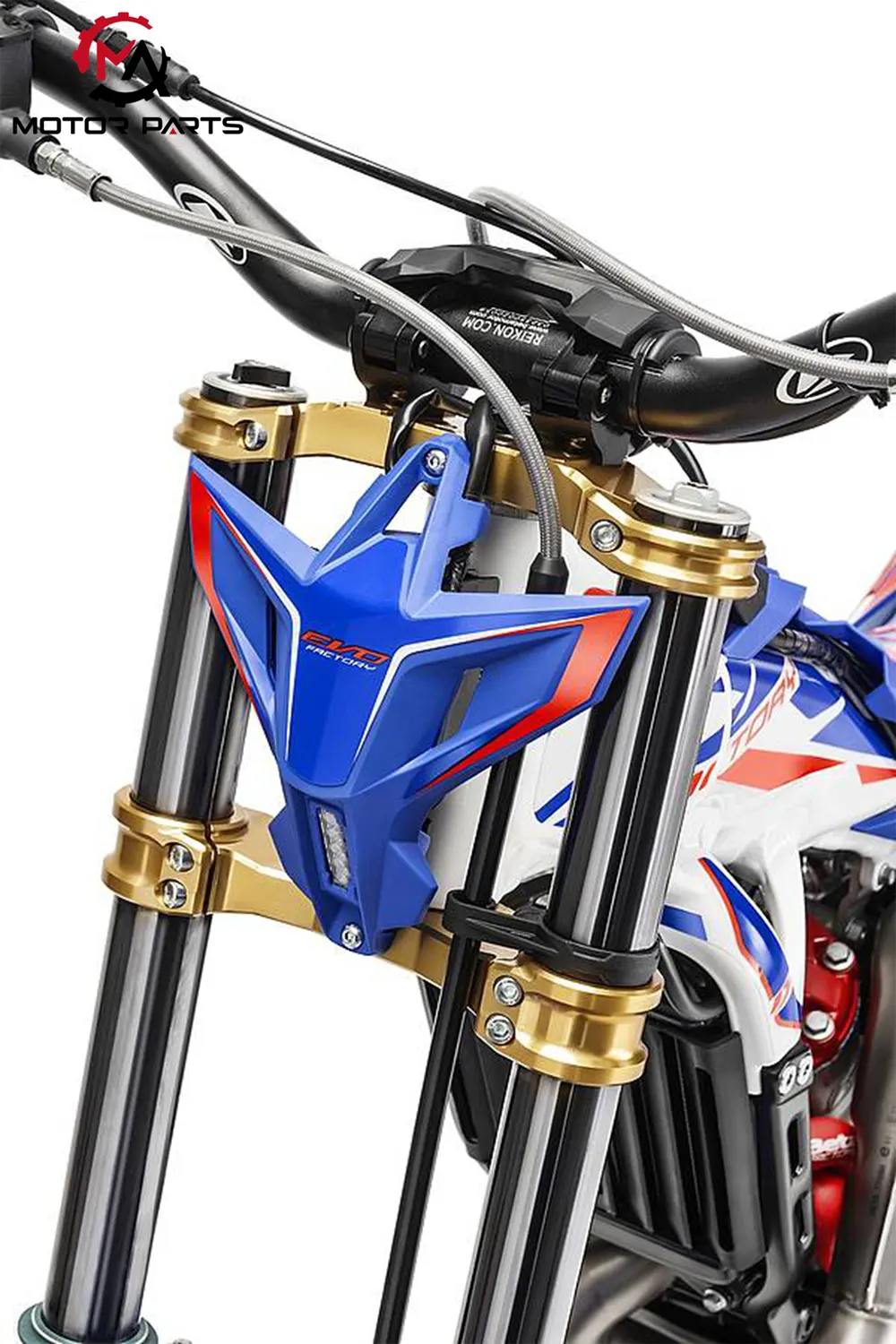
The connection structure between the motorcycle steering column and the front fork can synchronously transmit the shock absorption stroke of the front fork. When the front wheel encounters a raised road surface, the front fork compresses the shock absorber, and the steering column absorbs lateral vibration through bearings, reducing the transmission of vibration to the handlebars and improving riding comfort. At the same time, the verticality of the steering column (installation error ≤ 0.5 °) directly affects the shock absorption effect. If installed at an angle, it will cause uneven force on the left and right shock absorbers, resulting in "deviation" or "unilateral wear" problems.
Motorcycle upper board: the "integration and control center" of the steering system
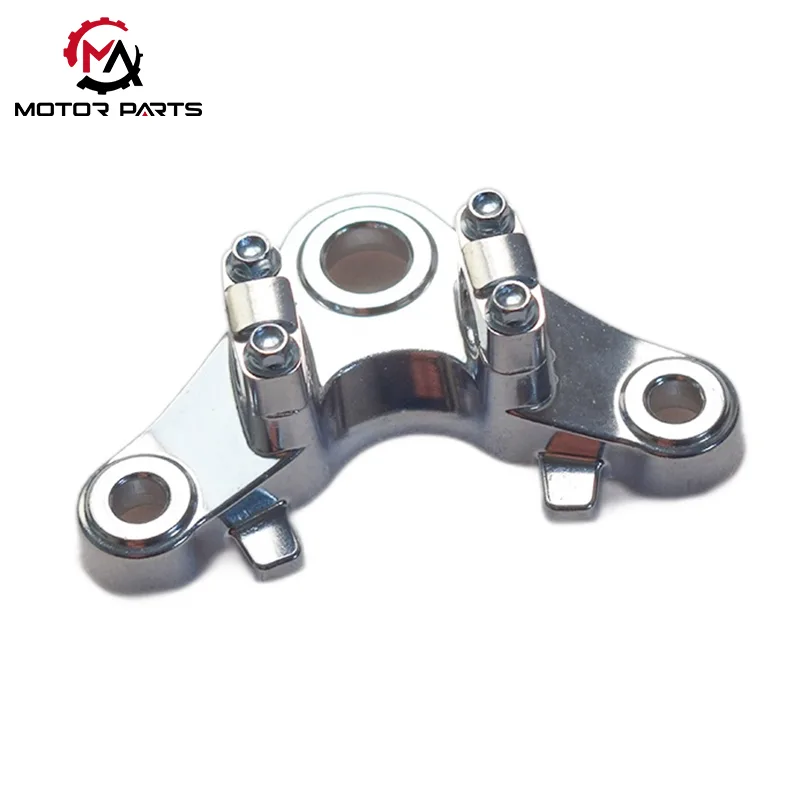
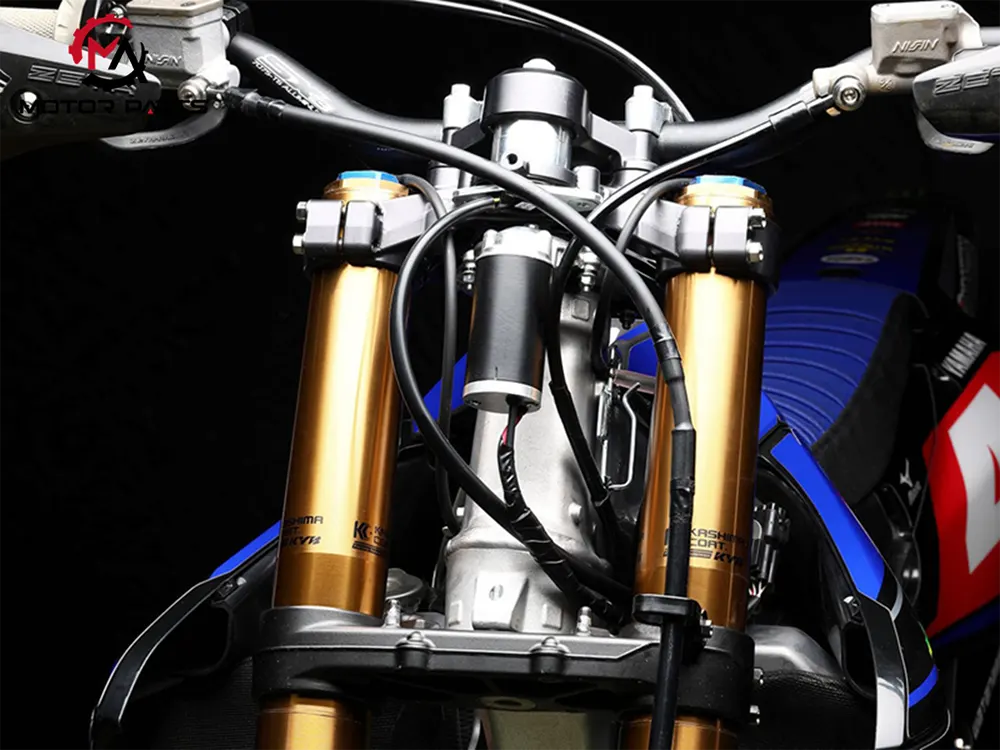
The upper board (also known as the upper three-star or upper connecting plate) is located at the upper end of the steering column and is a "bridge component" that connects the handlebars, steering column, and front fork. It is mainly responsible for integrating steering control components, optimizing the transmission path of force, and also undertaking some structural reinforcement functions.
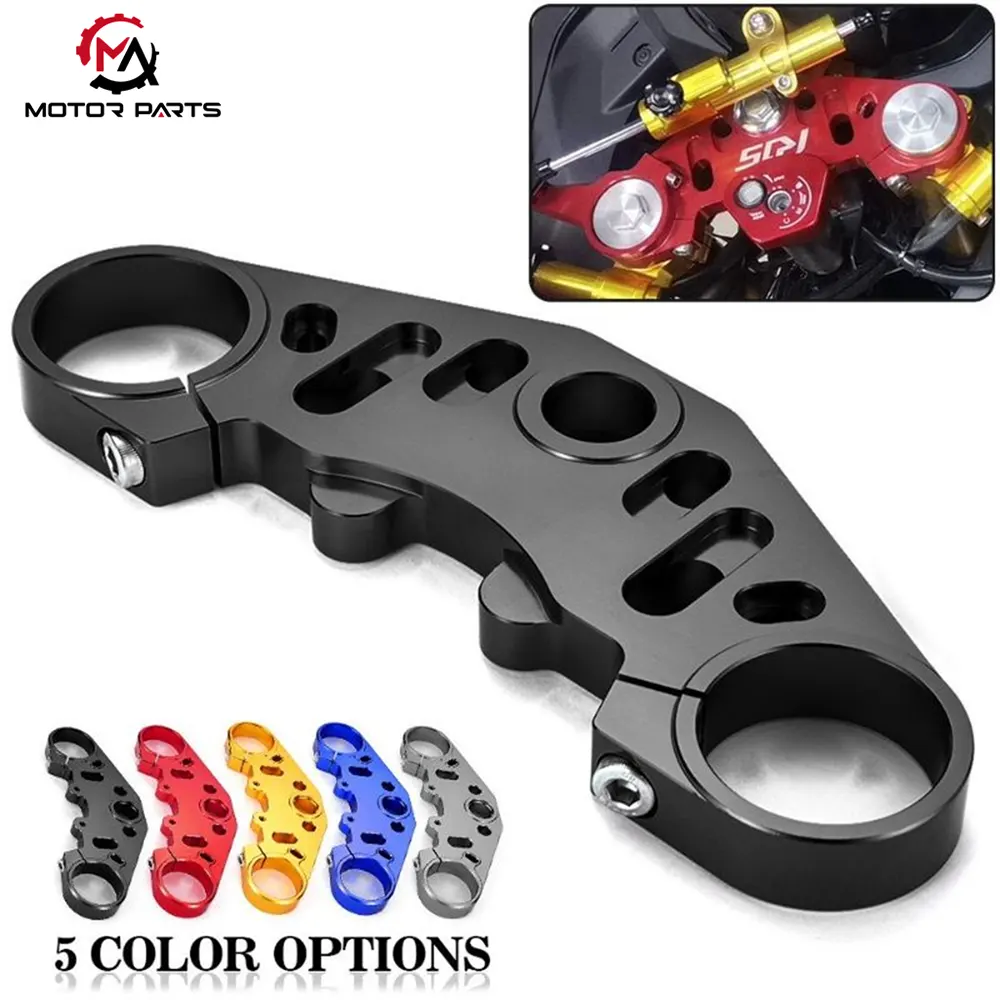
Function 1: Fix the handlebars and steering components, and centrally control commands
The top of the upper board is equipped with handlebar mounting holes (usually 2-4, suitable for handlebars of different diameters), which are firmly fixed by bolts. At the same time, installation positions for control components such as turn signals and horn switches are reserved on the side or front end, achieving a centralized layout of "turn command+electrical control". When the rider turns the handlebar, the upper board is rigidly connected to the steering column through splines, evenly transmitting the steering force applied by the hand to the steering column to avoid component deformation caused by excessive local force.
Function 2: Position the front fork to ensure the driving trajectory of the front wheels
There are two front fork mounting holes at the bottom of the upper board (with a spacing matching the diameter of the front fork). The top of the front fork is fixed with high-strength bolts (torque value 25-35N · m) to ensure that the left and right front forks are parallel and perpendicular to the ground (installation error ≤ 0.3 °). Some high-end car models (such as sports streetcars and race cars) have an integrated front fork preload adjustment knob installation position on the upper board, which can directly adjust the pre tension of the front fork spring through the motorcycle upper board, adapting to different load or road conditions without disassembling other components, improving maintenance convenience.
Function 3: Enhance the rigidity of the steering system and improve driving stability
The upper board adopts "excessive fillet" treatment (radius R2-R5) at key parts (like bolt holes and spline connections) to reduce stress concentration. At the same time, the surface is anodized to improve corrosion resistance (particularly in rainy or high humidity environments), extend the service life of components, and avoid loose connections caused by corrosion.
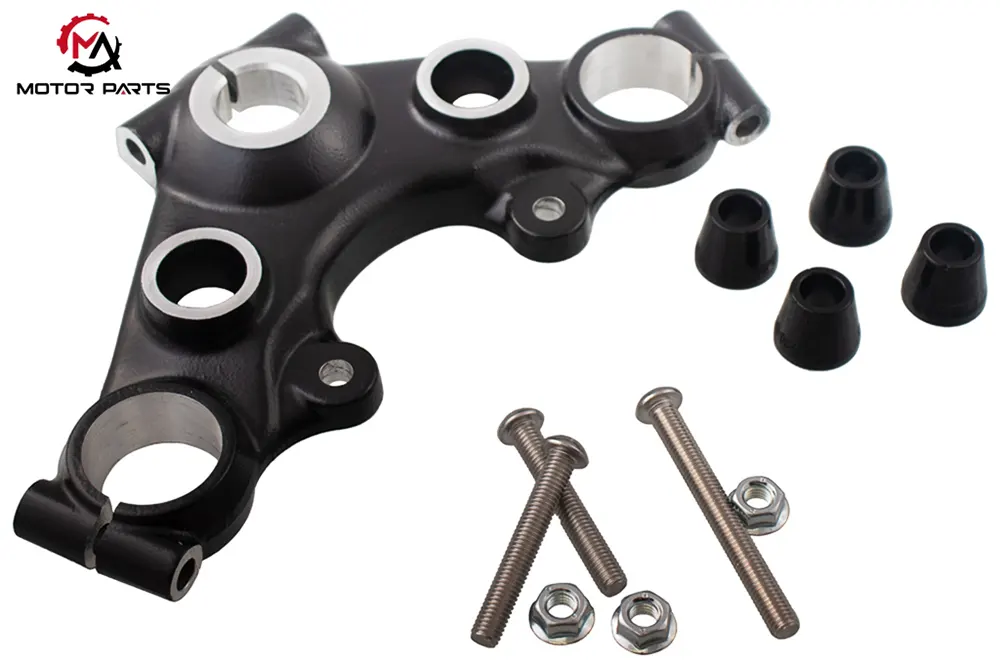
The collaborative logic between the steering column and the upper board: "instruction transmission → force execution → attitude stability" closed-loop
The rider turns the handlebar (commands are issued) → the upper board receives force and transmits it to the steering column (force transmission) → the steering column drives the front fork and front wheels to turn (performs steering) → at the same time, the steering column carries weight and the upper board fixes the front fork (maintains posture), and the two work together to guarantee that the steering process is "precise, stable, and without delay". Any component failure (Like steering column bearing wear or upper board deformation) will break this closed loop, resulting in insensitive or uncontrollable steering.
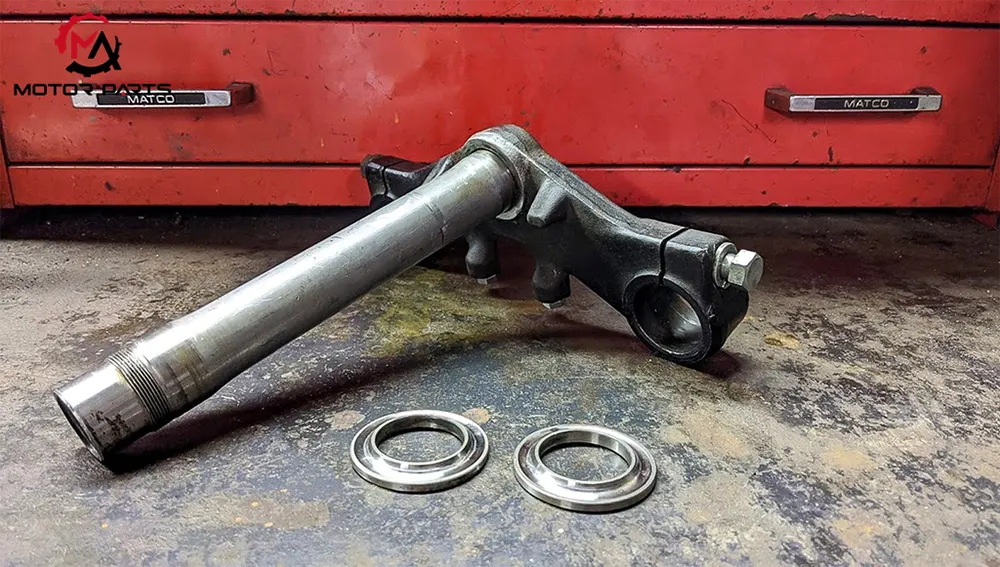
From the parameter calibration of precision instruments in the workshop to every smooth and effortless steering operation on foreign roads, Max trading, with ten years of professional cultivation, has made the steering core components that carry the craftsmanship of "Made in China" a sturdy shield to safeguard global cycling safety.